Every decision rests on a piece of data. And no decision is better than the data it is taken on.
It sounds obvious. But it is the part almost nobody looks at.
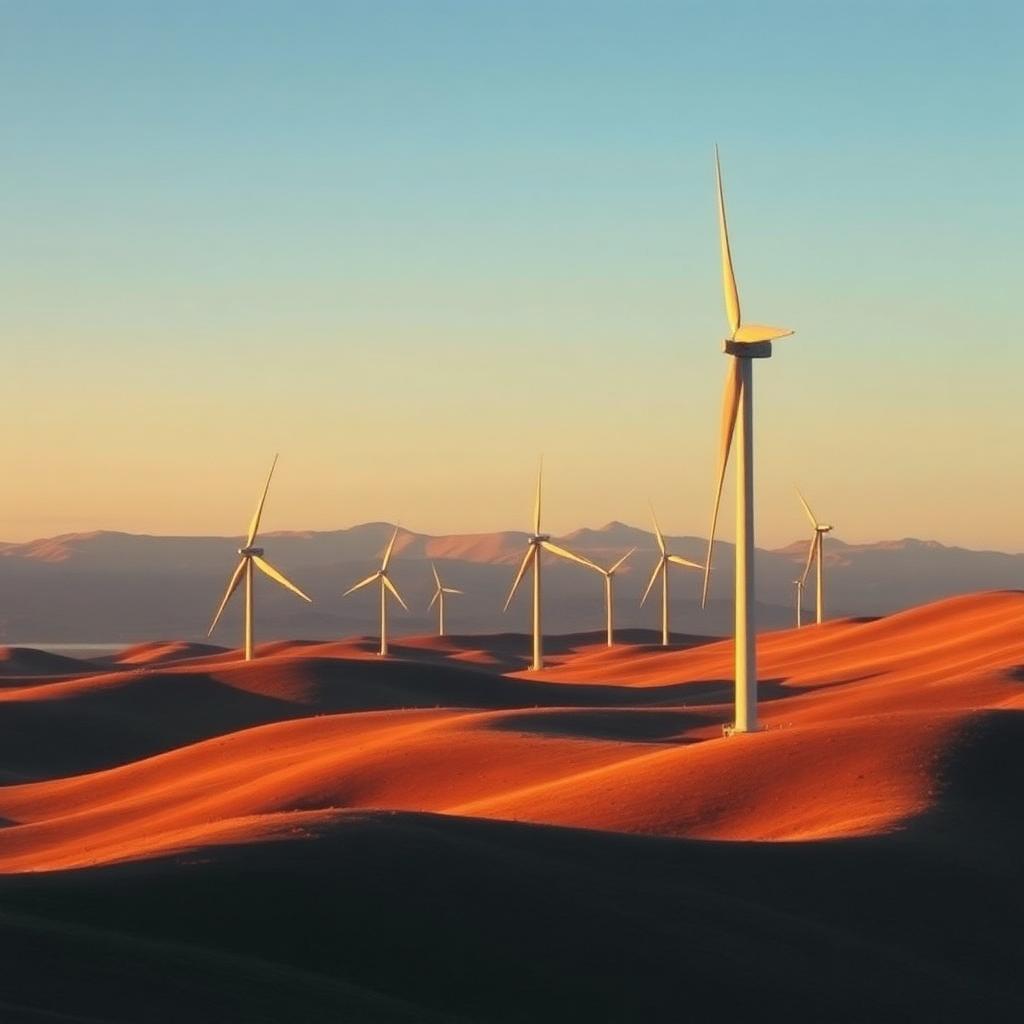
When an energy company decides whether to repower a wind farm, when a council calculates how much it can collect, when a grid operator plans an inspection, they all do the same thing: they look at a piece of data and decide. If that data is good, the decision has a chance. If it is old, incomplete or imprecise, the best strategy in the world is built on sand.
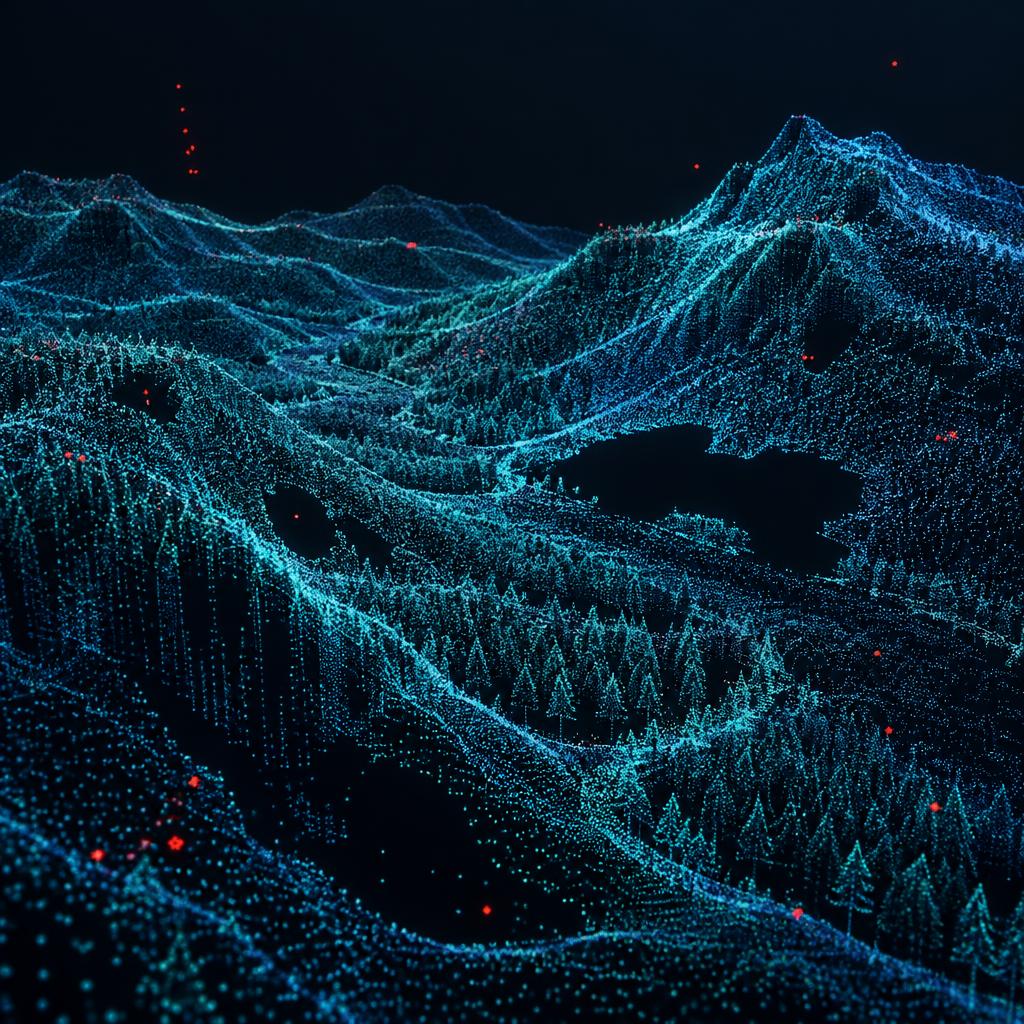
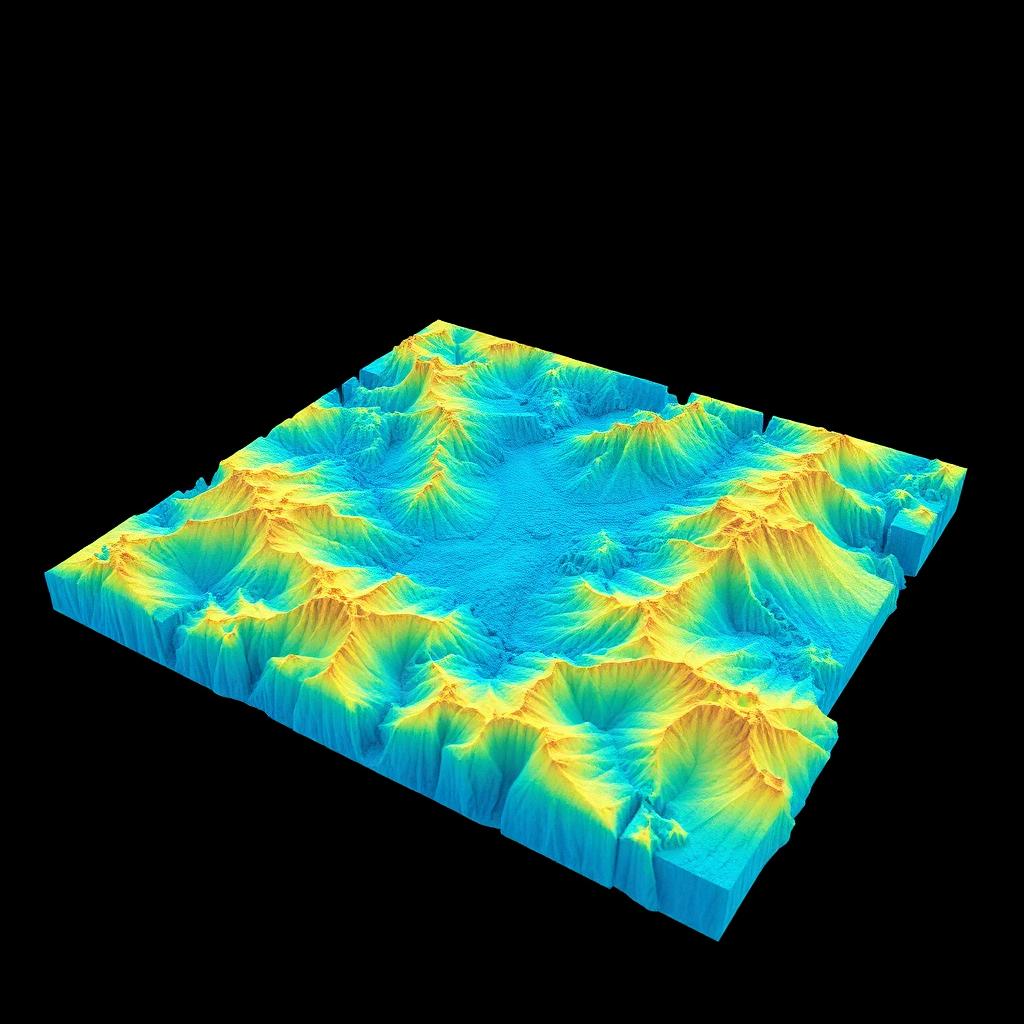
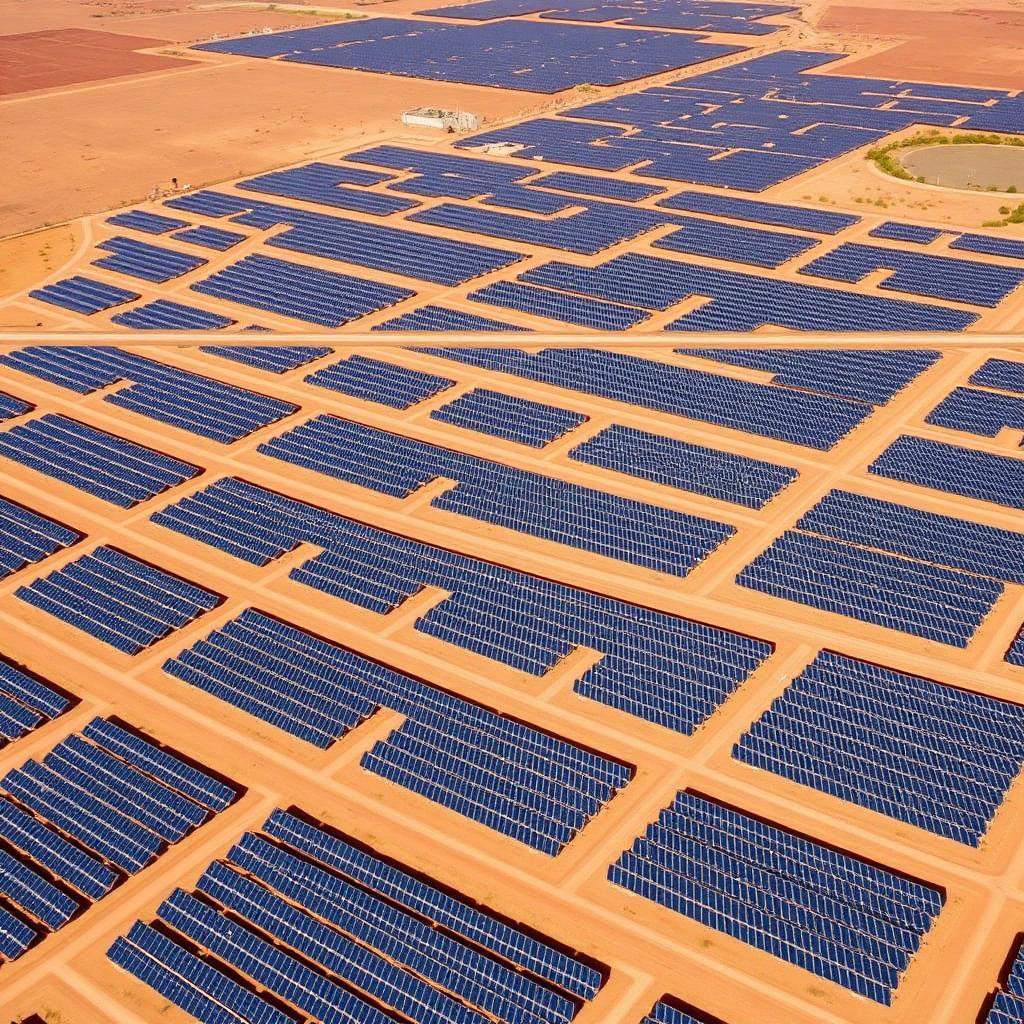
Azimutal is known for maps. But a map is only the end of the story. What we really do happens before: turning physical reality — a terrain, a grid, a wind-turbine blade, an entire municipality — into reliable data that a decision can be taken on.
Capture, structure, interpret
That work has three moments, and the difference lies in controlling all three.
Capture. Go to reality and measure it. By flight, with sensors, on the ground. Almost everything is decided here: data captured badly cannot be fixed afterwards, however much technology you put on top of it.
Structure. Turn millions of scattered points into homogeneous, georeferenced, usable information. Stop it being a cloud of numbers and make it something that can be consulted and compared.
Interpret. Turn that information into an answer to the question the client actually had. We do not deliver a plan: we deliver judgement to decide on.
What matters is not any one phase on its own. It is that we control all three, end to end, without depending on third parties for the sensitive part. When data passes through five different hands, nobody answers for its quality. When you control it whole, you answer for the decision that comes out at the end.
Why it matters now
We live in a moment when everyone talks about analysing data. Artificial intelligence, models, automation. And that is fine. But the first thing gets forgotten: no analysis, however powerful, rescues bad source data.
If what goes in is imprecise, what comes out will be too — only better looking. Quality is not added at the end. It is captured at the beginning, or it does not exist.
That is why source data — captured well, on reality, with judgement — is more valuable every day, not less. It is the link everything else depends on.
That is what we do. We do not compete to be the ones who analyse most. We are the ones who capture reality best and turn it into a reliable decision.
We turn physical reality into operational intelligence.
Mapping reality. Shaping decisions.