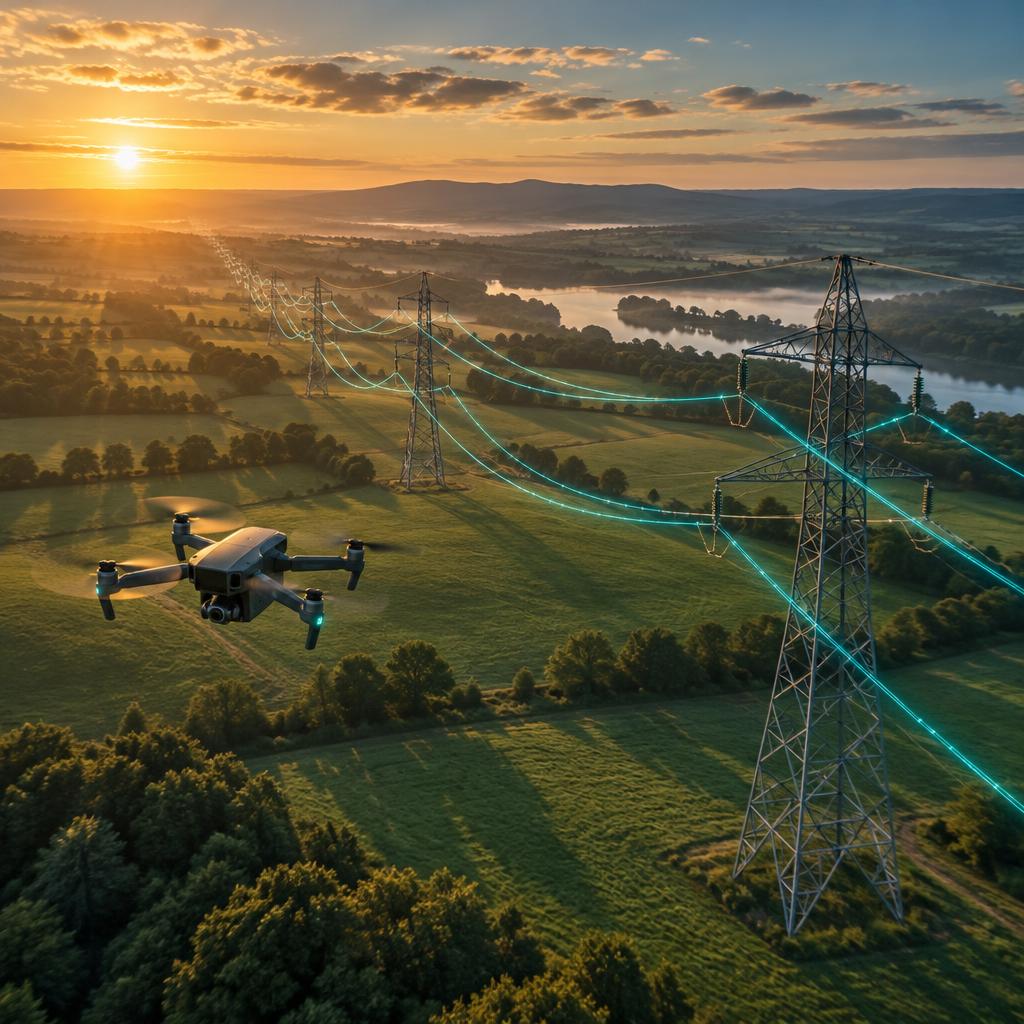
Dynamic Sensing did not start with wind turbines. It started on power lines: thousands of kilometres captured from the air without cutting the power. The principle was already there, long before it had a name — read the asset while it works, from a safe distance, in its real operating conditions.
Three cases, one principle
Today that principle applies to anything that moves, whether it is the object, the sensor or both.
- Object in motion. The sensor stays on the ground and the asset keeps working: a rotor, a mechanical element, a structure under load.
- Sensor in motion. The asset is still and the sensor travels past it: power lines, pipelines, any linear infrastructure read from the air or from a vehicle.
- Both in motion. Offshore platforms captured from a vessel, assets read from a moving vehicle or aircraft. The hardest case, and the one this line was built for.
What it takes
Four technologies for what never stops: high-resolution imaging, LiDAR and point clouds, automatic tracking and 3D reconstruction. Each one existed on its own; the work was making them operate together on a target that will not hold still.
The result
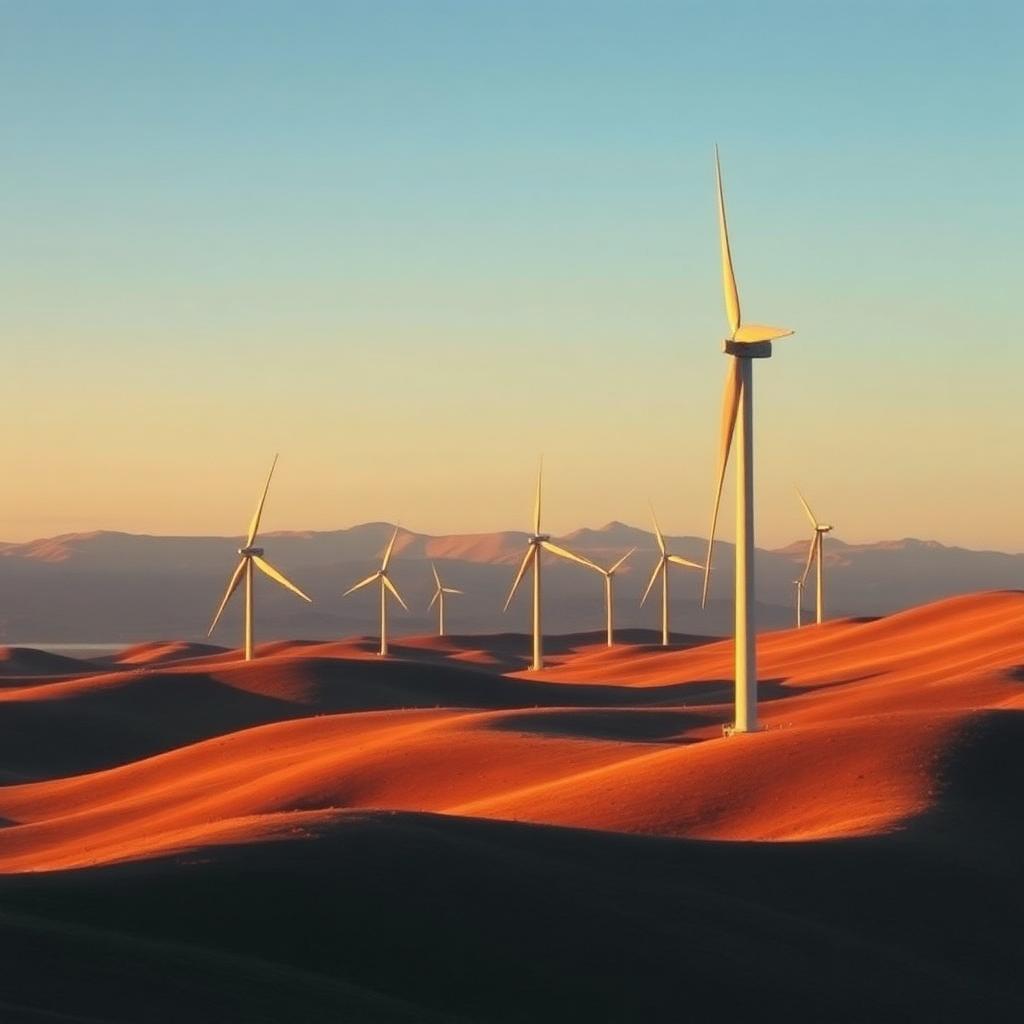
No downtime, no work at height, data from real operating conditions. The first product to come out of this line is APEO, which measures a wind-turbine blade without stopping the turbine. It will not be the last: the technology of dynamic inspection adapts to other sectors where things move — logistics, rail, solar.